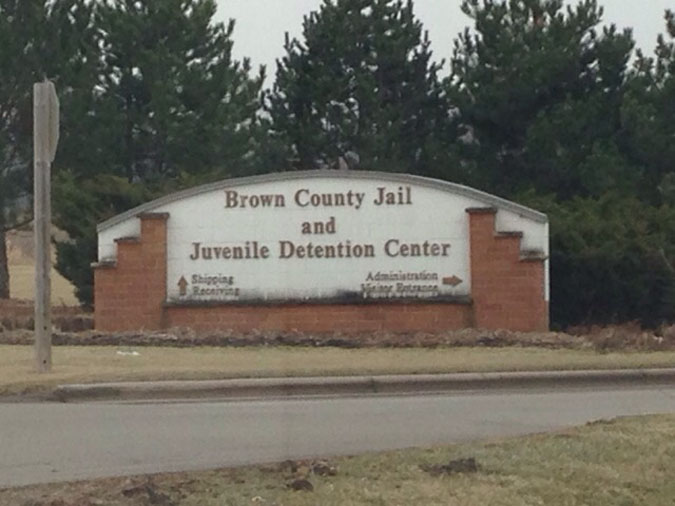
Brown County WI Juvenile Detention Center
County Jail | Brown County — Wisconsin | Brown County Sheriff's Department
Brown County WI Juvenile Detention Center operates in Green Bay, Wisconsin, as part of the Wisconsin Department of Corrections system. Located at 111 North Jefferson Street in downtown Green Bay, this medium-security facility serves Brown County by housing male juvenile offenders. The facility operates under state juvenile justice standards, providing secure detention for youth awaiting court proceedings or serving shorter sentences. As a county-level juvenile detention center, it plays a crucial role in the local justice system.
Families seeking information about detained juveniles can conduct inmate searches through Brown County channels. The facility processes visitation requests, manages communication privileges including mail and phone calls, and handles financial deposits for youth accounts. Understanding arrest records and detention status helps families navigate the juvenile justice process in Brown County.
Brown County WI Juvenile Detention Center stands apart as a county-operated juvenile facility in northeastern Wisconsin's most populous county. Its downtown Green Bay location at the Brown County Courthouse complex integrates detention services directly with county court operations, facilitating efficient case processing for juvenile offenders. This proximity allows detained youth easier access to court appearances and legal counsel. The facility exclusively serves male juveniles, focusing resources on gender-specific programming and security protocols. As Brown County's dedicated juvenile detention resource, it serves not only Green Bay but surrounding communities in the region, functioning as a critical component of Wisconsin's county-based juvenile justice infrastructure rather than a state-operated youth correctional institution.
The detention center houses male juveniles ranging from pre-adjudication detainees awaiting court hearings to adjudicated youth serving county-ordered dispositions. The population includes youth charged with offenses from status violations and misdemeanors to more serious felonies, though extremely violent offenders may be transferred to state facilities. Most residents are pre-trial detainees held temporarily while their cases progress through Brown County's juvenile court system. The facility manages youth with varying risk levels, from first-time offenders to those with prior involvement in the justice system. Classification processes separate youth based on age, offense severity, and behavioral considerations. The transient nature of juvenile detention means the population fluctuates as youth are released to parents, placed in alternative programs, or transferred to long-term state correctional facilities following adjudication.
Youth at Brown County WI Juvenile Detention Center reside in secure housing units designed for juvenile populations. Living quarters typically consist of individual rooms or cells with basic furnishings including beds, storage areas, and sanitation facilities. The facility provides three daily meals meeting nutritional standards for growing adolescents, with dietary accommodations for medical or religious requirements. Recreation opportunities occur in designated indoor and outdoor areas, allowing physical activity essential for youth development. Educational services continue during detention to minimize academic disruption. Medical care addresses routine health needs, acute illnesses, and chronic conditions, with mental health professionals available given the elevated behavioral health needs common among detained juveniles. The grievance process allows youth to formally address concerns about conditions, treatment, or services. Daily schedules balance security requirements with age-appropriate activities, structured routines, and supervision ratios suited to juvenile populations. Staff trained in adolescent development and trauma-informed care manage the challenging balance between secure detention and developmentally appropriate treatment.
Programming at Brown County WI Juvenile Detention Center emphasizes education and rehabilitation appropriate for youth. Educational services ensure detained juveniles continue their academic progress, with teachers providing coursework aligned with their home schools or working toward credit recovery. Though vocational training opportunities may be limited compared to long-term facilities, life skills instruction prepares youth for successful community reintegration. Substance abuse education addresses the widespread issue of chemical dependency among juvenile offenders, helping youth understand addiction and develop healthier coping mechanisms. Counseling services, both individual and group-based, help youth process their circumstances and develop better decision-making skills. Religious services and spiritual guidance are available for youth seeking faith-based support. Re-entry planning begins upon admission, with case managers coordinating with families, schools, and community agencies to facilitate smooth transitions back home, recognizing most youth will return to their communities relatively quickly given the short-term nature of juvenile detention.
Work assignments at the juvenile detention center differ significantly from adult correctional facilities, focusing on age-appropriate responsibilities and skill development rather than industrial production. Youth may participate in facility maintenance tasks such as cleaning common areas, assisting with meal service, or maintaining their living units, teaching basic work habits and personal responsibility. These assignments typically involve supervised tasks within the secure facility rather than outside work crews. The emphasis remains on educational and rehabilitative programming rather than labor, consistent with juvenile justice philosophy prioritizing youth development. Any work activities comply with child labor laws and serve primarily as opportunities to teach accountability, teamwork, and routine rather than generating revenue or reducing operational costs.
Brown County has maintained juvenile detention capabilities for decades as part of its justice system infrastructure, though precise founding dates for the current facility configuration are not publicly documented. The downtown Green Bay location at the courthouse complex has long served administrative and detention functions for the county. Wisconsin's juvenile justice system evolved significantly throughout the 20th century, shifting from punitive approaches toward rehabilitation-focused models, with county detention centers adapting accordingly. Brown County, as Wisconsin's fourth most populous county and home to Green Bay, has consistently needed secure juvenile detention capacity to serve its communities. The facility has likely undergone various modifications and updates over the years to meet changing standards for juvenile care, security technologies, and programming requirements. Today, Brown County WI Juvenile Detention Center continues fulfilling its original mission: providing secure, short-term detention for male youth involved in the local justice system while maintaining compliance with state regulations governing juvenile facilities.
Visiting a juvenile at Brown County WI Juvenile Detention Center requires following specific procedures designed to maintain security while preserving family connections. Visitors must typically present valid government-issued photo identification upon arrival. Dress codes prohibit clothing resembling inmate attire or containing inappropriate graphics, with modest dress generally required. Visitor approval processes may involve background checks, particularly for non-family members. Visitation schedules are typically limited to specific days and hours, often more restricted than adult facilities given the facility's smaller size and staffing. Families should expect rules governing physical contact, permissible items, and visit duration. The supervision level during visits reflects security protocols for detained juveniles. Given the importance of family involvement in juvenile rehabilitation and the specific rules governing youth visitation, families should call ahead to verify current procedures, scheduling requirements, and any restrictions before traveling to the facility.
Families can contact youth detained at Brown County WI Juvenile Detention Center primarily through mail sent to the facility address at 111 North Jefferson Street, Green Bay, WI 54301, or the mailing address at P.O. Box 22188, Green Bay, WI 54305-2188. Correspondence should include the youth's full name and any identification number provided by the facility. Mail undergoes inspection for security purposes before delivery. Book shipments typically must arrive directly from approved vendors or publishers rather than individuals. Phone privileges allow detained youth to make monitored calls to approved contacts, often through collect calls or prepaid phone accounts established by families. Communication policies balance maintaining family connections, which research shows benefit juvenile outcomes, with security requirements and facility operational needs. Families should inquire about specific mail rules, phone account setup procedures, and any electronic communication options that may be available.
Sponsored and Powered by our Partner TruthFinder
Quick Facts
Should I Be Concerned? — Family Guide
Brown County WI Juvenile Detention Center operates at Medium security with zero reported staff assaults, indicating a relatively stable institutional environment. As a juvenile facility, the focus is on rehabilitation and education rather than high-risk custody. Visitors should expect standard security procedures including ID verification and bag checks; contact the facility in advance to confirm current visiting policies and any COVID-related restrictions.
Neighborhood & Getting There
Located in downtown Green Bay on North Jefferson Street, this facility sits in Wisconsin's Fox Valley region, approximately 140 miles north of Milwaukee and 2 hours from Madison. Green Bay is accessible via I-43 and US-41, with nearby hotels, restaurants, and services along Main Street and the downtown corridor. The area features moderate urban amenities with highway access for visitors traveling from throughout northeast Wisconsin and the Upper Peninsula.