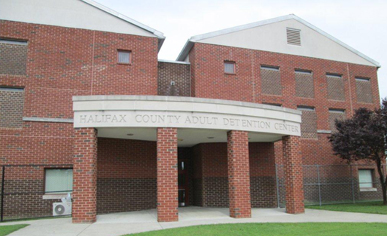
Halifax County Adult Detention Center
State Prison | Halifax County — Virginia | HCADC | Blue Ridge Regional Jail Authority
Halifax County Adult Detention Center is located at 1010 Blue Ridge Lane in Halifax, Virginia, in the heart of Halifax County. Operating as part of the Virginia Department of Corrections system, this medium-security facility houses male inmates with a maximum capacity of 107 individuals. The detention center is under the leadership of Captain Scott C. Sears and serves as a critical correctional resource for Halifax County and surrounding areas in southern Virginia.
Families seeking information about inmates housed at Halifax County Adult Detention Center can access inmate search tools to locate their loved ones. The facility provides structured procedures for sending money to inmate accounts, scheduling visitation, and accessing arrest records. Understanding the facility's specific policies and procedures helps families maintain meaningful connections with incarcerated individuals throughout their detention period.
Halifax County Adult Detention Center serves a predominantly rural region of southern Virginia, distinguishing it from larger urban detention facilities throughout the state. The facility's location in Halifax County positions it as a vital correctional resource for a community with limited access to extensive jail infrastructure. With its 107-bed capacity, the detention center maintains a smaller, more manageable inmate population compared to major metropolitan facilities, potentially allowing for more individualized attention to detainee needs. The facility's medium-security classification enables it to house a diverse range of offenders while maintaining appropriate safety protocols for both staff and inmates in this rural Virginia setting.
Halifax County Adult Detention Center houses an exclusively male inmate population within its medium-security framework. The facility typically holds a mix of pre-trial detainees awaiting court proceedings in Halifax County Circuit Court and General District Court, as well as sentenced inmates serving shorter-term commitments. Offense classifications range from misdemeanor violations to felony charges, including property crimes, drug-related offenses, and various public order violations common in rural Virginia jurisdictions. The detention center may also temporarily house individuals awaiting transfer to state prison facilities following sentencing. Given Halifax County's demographic profile, the inmate population reflects the community's composition and the specific law enforcement challenges facing this southern Virginia region. Classification decisions consider offense severity, criminal history, and behavior to maintain facility security.
Inmates at Halifax County Adult Detention Center are housed in a structured environment designed to maintain security while meeting basic needs. The facility utilizes pod-style or cell-block housing configurations appropriate for medium-security operations, with detainees assigned housing based on classification levels and behavioral considerations. Inmates receive three meals daily prepared according to nutritional standards and dietary requirements. Recreation opportunities, though limited by the facility's capacity, provide inmates with periods of physical activity and time outside their housing units when security conditions permit.
Medical services address routine healthcare needs, sick call requests, and management of chronic conditions, with arrangements for off-site care when specialized treatment is necessary. Mental health services are available to inmates experiencing psychological distress or requiring ongoing mental health support. The facility maintains a formal grievance process that allows inmates to report concerns, request reviews of decisions, or address issues related to their confinement conditions. This structured complaint mechanism provides accountability and documentation of inmate concerns throughout their detention.
Halifax County Adult Detention Center offers programming appropriate for its capacity and the typical length of stay for its inmate population. Educational opportunities may include GED preparation for inmates lacking high school credentials, providing a foundation for future employment prospects upon release. The facility recognizes the importance of addressing substance abuse issues prevalent among the incarcerated population, offering counseling or educational programming focused on addiction awareness and recovery strategies. Religious services and pastoral care provide spiritual support to inmates seeking faith-based guidance during their incarceration. Re-entry planning assistance helps sentenced inmates prepare for their return to the community, addressing housing concerns, employment prospects, and family reunification. The scope of programming reflects the reality of operating a smaller county detention center with limited resources while still attempting to address fundamental rehabilitation needs that can reduce recidivism in Halifax County.
Work assignments at Halifax County Adult Detention Center provide inmates with structured activity and contribute to facility operations. Inside job assignments typically include kitchen duties such as food preparation and cleanup, janitorial services maintaining cleanliness throughout housing units and common areas, and laundry operations handling linens and inmate clothing. Trustee positions may be available to inmates who demonstrate positive behavior and appropriate classification levels. These work assignments help reduce operational costs while providing inmates with daily structure and basic work skills. The availability of outside work details or participation in formal prison industries programs depends on security considerations, staffing levels, and community partnerships. Work opportunities remain limited compared to larger state correctional facilities but serve important functions within the detention center's operations.
Specific founding details for Halifax County Adult Detention Center remain limited in publicly available records, though the facility has served Halifax County's correctional needs as part of Virginia's evolving local jail system. Halifax County, one of Virginia's original counties with deep historical roots dating to colonial times, has maintained detention facilities to serve its law enforcement and judicial functions throughout its development. The current facility at 1010 Blue Ridge Lane represents the county's commitment to maintaining adequate local correctional infrastructure in southern Virginia. The detention center's 107-bed capacity reflects the population and law enforcement needs of Halifax County's rural communities. Under Captain Scott C. Sears's leadership, the facility continues fulfilling its role as the primary pre-trial detention and short-term incarceration facility for Halifax County. The detention center adapts to changing correctional standards, legal requirements, and community needs while maintaining its essential public safety function.
Visitation at Halifax County Adult Detention Center provides families with opportunities to maintain contact with incarcerated loved ones under structured conditions. Visitors must present valid government-issued photo identification and complete any required visitor approval processes before being permitted entry. The facility enforces dress code requirements that prohibit revealing, provocative, or inappropriate clothing to maintain security and decorum. Scheduling procedures may require advance registration or operate on designated days and times depending on housing assignments. Families should expect security screening procedures including metal detectors and possible searches of personal items. Contact visits or non-contact visits through barriers depend on inmate classification and behavioral status. Due to potential policy changes and specific restrictions, families are strongly encouraged to contact Halifax County Adult Detention Center directly before traveling to confirm current visitation schedules, procedures, and any temporary modifications.
Sending mail to inmates at Halifax County Adult Detention Center requires following proper address formatting to ensure delivery. Correspondence should include the inmate's full legal name, booking or identification number, and be addressed to Halifax County Adult Detention Center, PO Box 829, Halifax, VA 24558. All incoming mail undergoes inspection for contraband and prohibited items. Families wishing to send books or educational materials should utilize approved vendors that ship directly to the facility, as these items typically must come from recognized sources. Inmates can make telephone calls through the facility's designated phone system, requiring family members to establish prepaid accounts with the contracted provider. Some Virginia detention facilities offer electronic messaging or email services; families should verify availability of such technology-based communication options at Halifax County Adult Detention Center through direct inquiry.
Sponsored and Powered by our Partner TruthFinder
Quick Facts
Should I Be Concerned? — Family Guide
Halifax County Adult Detention Center operates as a medium-security facility with a zero staff assault record, suggesting a stable and secure environment. With a capacity of 107 inmates, the facility maintains operational control appropriate for its security level. Visitors should expect standard security protocols including ID checks and bag searches; plan visits during posted hours and follow all facility rules to ensure a smooth experience.
Neighborhood & Getting There
Halifax, Virginia is a rural community in the Piedmont region of south-central Virginia, approximately 45 minutes from Greensboro, North Carolina and 90 minutes from Richmond, Virginia. The area is characterized by countryside and small-town charm. Lodging options are limited in immediate vicinity; visitors typically stay in nearby Martinsville (20 miles) or larger regional centers. Highway 58 provides primary access to the facility at 1010 Blue Ridge Lane.