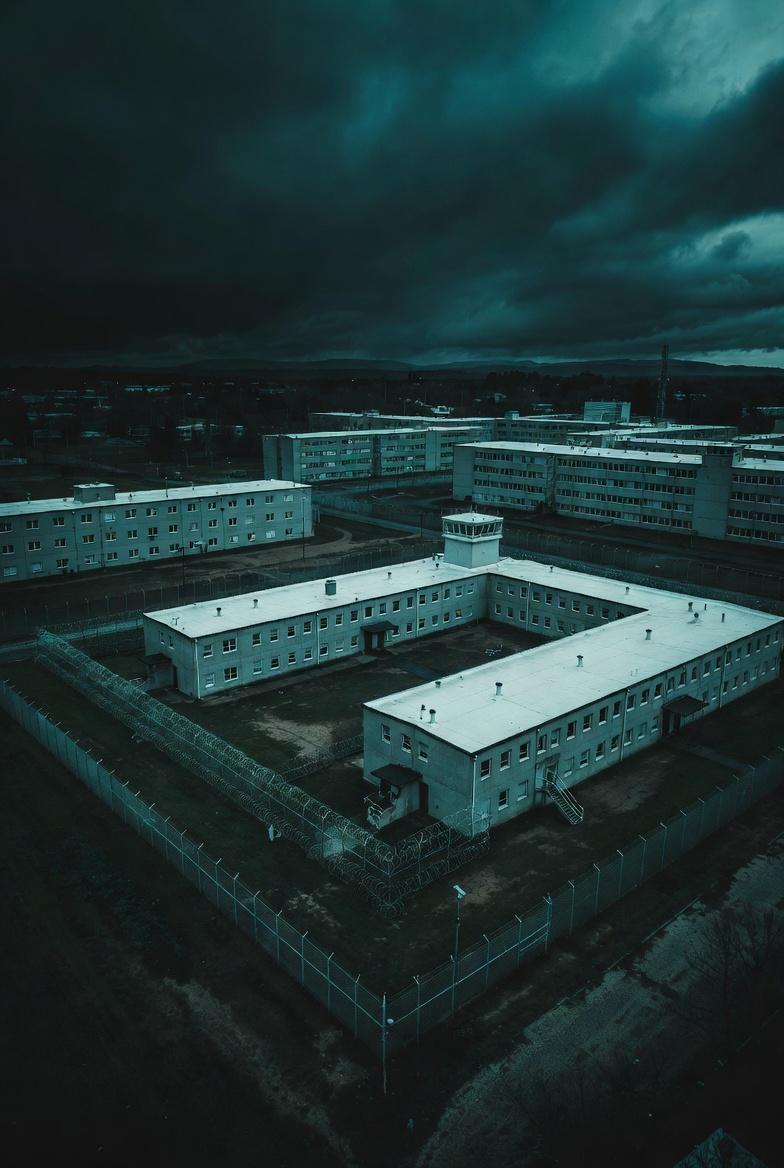
Angelina County Juvenile Center is a medium security juvenile detention facility located at 705 Ellen Trout in Lufkin, Texas. Operating as part of the Texas juvenile justice system, this facility serves Angelina County by housing male juvenile offenders who are awaiting court proceedings or serving short-term sentences. The center focuses on secure detention while providing age-appropriate services to youth in custody within the East Texas region.
Families seeking information about juveniles detained at this facility can contact the center directly for inmate location services, visitation schedules, and account setup for phone calls and commissary deposits. Understanding arrest records and detention status requires communication with facility staff who can provide case-specific information while respecting juvenile confidentiality laws.
Angelina County Juvenile Center operates within Texas's county-level juvenile justice framework, serving the Deep East Texas Piney Woods region from its Lufkin location. Unlike state-operated Texas Juvenile Justice Department facilities that handle long-term commitments, this county center primarily manages pre-adjudication detention and short-term post-adjudication placements for Angelina County youth. The facility's location in Lufkin, the county seat and largest city in the area, allows for proximity to local courts, enabling juveniles to attend hearings without extensive transport. This county-based approach emphasizes local oversight and family connectivity during what is often a critical intervention point in a young person's life.
The juvenile population at Angelina County Juvenile Center consists of male youth typically ranging from ages ten through seventeen who have been charged with delinquent offenses or status violations. The facility houses both pre-adjudication detainees awaiting court hearings and post-adjudication youth serving determinate sentences or awaiting placement in other facilities. Offenses represented include property crimes, assault charges, drug-related violations, probation violations, and occasionally more serious felony charges. Classification within the facility considers factors including age, offense severity, behavioral history, and security risk. Some youth may be held temporarily while awaiting transfer to Texas Juvenile Justice Department facilities for longer-term commitment. The population fluctuates based on arrest patterns and court processing schedules throughout Angelina County.
Juveniles at Angelina County Juvenile Center are housed in secure dormitory-style units or individual rooms designed specifically for youth detention. Living quarters emphasize safety and supervision while maintaining age-appropriate environments distinct from adult incarceration settings. Detained youth receive three meals daily that meet nutritional standards for growing adolescents, with accommodations made for dietary restrictions and medical needs. Recreation opportunities typically include daily physical activity time in supervised outdoor or indoor recreation areas, as Texas juvenile standards require structured physical exercise. Medical services address routine healthcare needs, illness, and injury, with arrangements for outside medical appointments when necessary. Mental health services provide assessment and crisis intervention, recognizing that many detained youth face emotional and behavioral challenges. Educational services continue during detention to minimize academic disruption. Youth and families can address concerns through a grievance process that allows formal complaint submission and administrative review.
Angelina County Juvenile Center provides educational programming to ensure detained youth maintain academic progress during confinement. Classroom instruction covers core subjects aligned with Texas Education Agency standards, with teachers certified to work with at-risk youth populations. Special education services continue for youth with individualized education plans. Life skills programming addresses decision-making, anger management, and conflict resolution to reduce recidivism risk. Substance abuse education reaches youth with drug or alcohol involvement, providing information about addiction and recovery resources. Counseling services, both individual and group-based, help residents process their circumstances and develop pro-social behaviors. Religious services and faith-based programming are available to youth whose families request such participation. Re-entry planning begins early in detention, coordinating with probation officers, families, and community resources to establish support systems before release.
Work assignments at Angelina County Juvenile Center focus primarily on facility maintenance and daily operations rather than industrial production. Detained youth may participate in structured work details that teach responsibility while maintaining the facility, including kitchen duties, laundry operations, janitorial tasks, and grounds maintenance. These assignments serve both operational needs and developmental purposes, teaching work habits and accountability. Work opportunities remain limited compared to adult facilities, with emphasis on age-appropriate tasks that comply with juvenile labor regulations. Participation in work details often connects to behavior management systems where responsible conduct earns privileges and demonstrates readiness for eventual release to the community.
Angelina County Juvenile Center has served as the primary secure juvenile detention facility for Angelina County for several decades, though specific founding dates and construction details are not publicly documented in available historical records. The facility developed within Texas's evolving juvenile justice system, which increasingly emphasized county-level detention for youth awaiting adjudication rather than housing them in adult jails. Located in Lufkin, the county seat with a population of approximately 35,000, the center serves a predominantly rural East Texas region with limited juvenile justice infrastructure. Over the years, the facility has adapted to changing juvenile justice philosophies that emphasize rehabilitation, family engagement, and community-based alternatives to detention when appropriate. Today, Angelina County Juvenile Center continues its role as the secure detention resource for the county's justice system, balancing public safety concerns with developmentally appropriate interventions for youth offenders.
Visitation at Angelina County Juvenile Center requires advance approval and scheduling, as juvenile facilities maintain strict security protocols regarding who may visit detained youth. Parents and legal guardians typically receive priority visiting privileges, while extended family members and other approved visitors must complete background screening. All visitors must present valid government-issued photo identification upon arrival. Dress codes prohibit clothing that resembles facility uniforms, revealing attire, or items with offensive imagery or language. Visitation schedules vary and may be limited to specific days and times, often including weekend hours to accommodate working families. Physical contact may be restricted depending on facility policies and the youth's behavioral status. Families should call the facility well in advance to understand current visitation procedures, complete required approval processes, and confirm scheduling before traveling to Lufkin.
Mail sent to juveniles at Angelina County Juvenile Center should include the youth's full legal name and booking number, addressed to 705 Ellen Trout, PO Box 222, Lufkin, TX 75902. All incoming mail undergoes inspection for security purposes, and facilities typically prohibit certain items including cash, stamps, packages, and materials deemed inappropriate for juvenile audiences. Families wishing to send reading materials should verify approved vendor lists, as books often must come directly from publishers or approved retailers. Phone communication operates through prepaid phone accounts established by families, allowing detained youth to make collect or debit calls during designated hours. Email and video visitation availability varies by facility capabilities and should be confirmed by contacting the center directly.
Sponsored and Powered by our Partner TruthFinder
Quick Facts
Should I Be Concerned? — Family Guide
Angelina County Juvenile Center operates at medium security with zero reported staff assaults, indicating a stable facility environment. The youth-focused mission emphasizes rehabilitation over punitive measures, which generally creates safer conditions. When visiting, expect standard security screening procedures, arrive early with valid ID, and follow all facility rules posted at entry.
Neighborhood & Getting There
Angelina County Juvenile Center is located in Lufkin, a city of approximately 30,000 in Southeast Texas, about 140 miles north of Houston and 90 miles south of the Arkansas border. The facility sits in Angelina County, a region known for timber and agricultural heritage. Hotels and dining options are available on Loop 287 near Highway 59. The area is easily accessible via US-59 North from Houston or via local county roads.